Featured
Table of Contents
"Just how are you?" The solution to this inquiry is often much more complex than the person asking may recognize. You might blurt out a quick, "Penalty, many thanks!" also when you know you're not. AdvertisementCleveland Clinic is a charitable scholastic medical. Advertising and marketing on our website aids support our mission. We do not recommend non-Cleveland Center product and services.
And while that makes these problems sound extremely different, they are more intertwined than they may seem. And they frequently take place with each other. Psychoanalyst Karen Jacobs, DO, offers us a review of what anxiety and clinical depression are, exactly how they show up in different ways, how they can be related and how to tell the difference between the two.
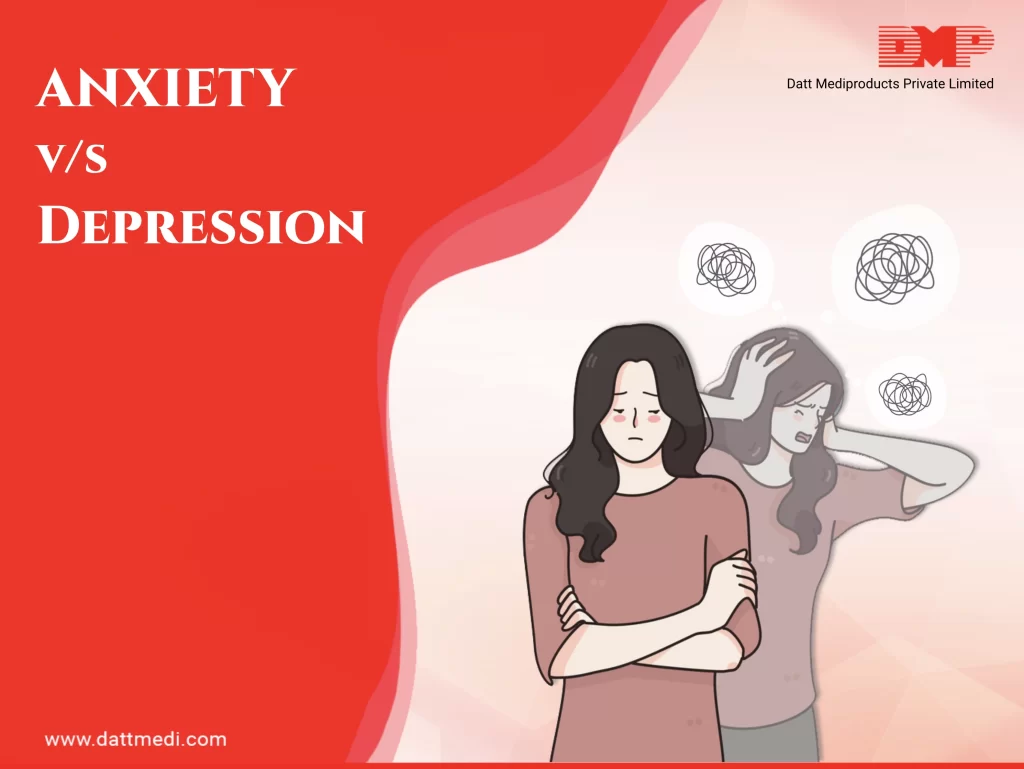
Sensations of uneasyness. In enhancement, there's a plethora of physical signs that can take place with anxiousness, including: Muscle mass stress., can have significant consequences on your health.
Red Flags When Choosing a BSP-Trained Therapist for Your Specific Situation
Jacobs says it's so crucial to seek treatment if you're experiencing these signs. A depression diagnosis goes far beyond simply having the blues.
Hallmark indicators of clinical depression consist of: Sensations of despair and hopelessness. Loss of interest. Difficulty sleeping. Feeling exhausted. An adjustment in cravings. Inexplicable physical discomfort or pains. Feeling like small jobs take additional effort. Having thoughts of self-harm or suicide. Feelings of worthlessness and reduced self-confidence, and depressed mood. Anxiety and anxiety are both usual psychological wellness problems that can influence your capability to tackle your daily jobs and live your life completely.
Exploring the Link Between Complex Trauma and Obsessive Thoughts
Both anxiety and depression can create: Gastrointestinal problems. If you're experiencing any of these signs, it's important to let a health care supplier understand. If you're experiencing modifications in your mood and you're trying to arrange out whether it might be clinical depression or anxiety or both pay focus to your power degree and your perspective towards the future.
Stress and anxiety can create you to really feel high-strung and energized, often sustained by competing ideas and worry. Another big distinction in between anxiety and anxiety likewise is available in the therapy of each problem. It is necessary to talk with your therapist, psychiatrist or health care carrier to make sure you're getting the right therapy.
Somatic Understanding in Working With Mental Health Issues
We're attempting to figure out which one took place initially, and after that if one caused the various other," discusses Dr.
The Association Between Physical Abuse Manifests in Hypervigilance
When this happens, takes place can also be additionally greater risk better danger. In this circumstance, extensive treatment can be really useful for managing anxiety come with by anxious distress, so it's important to get to out for help. Whether they occur together or individually, clinical depression and anxiety are both treatable.
Generally concerning 1 out of every 6 adults will have depression at a long time in their life. Depression affects about 16 million American adults each year. Anybody can obtain clinically depressed, and depression can take place at any age and in any type of person. Numerous people that experience anxiety additionally have other psychological wellness conditions.1,5 Anxiety disorders commonly work together with anxiety. These feelings can disrupt daily tasks and may last for a long time. Stress and anxiety and depression are usually referred to together, but they are not the exact same. Anxiousness is defined by consistent concern, nervousness, and stress over future events. It sets off the body's fight-or-flight action, leading to restlessness, a racing heart, and problem concentrating. On the other hand, clinical depression is marked by a relentless feeling of sadness, pessimism, and absence of inspiration. Approximately 40 million grownups in the USA battle with anxiousness, and greater than 16 million adults have problem with clinical depression. Stress and anxiety and anxiety are 2 of one of the most common psychological health difficulties people in the U.S.(and throughout the world )face. There's still a whole lot of complication bordering these 2 problems, however. If you're dealing with depression, you may experience a loss of passion in tasks you when delighted in, and you may have a hard time to lug out basic tasks of day-to-day living due to the fact that your mood and power levels are so low. The most widely known type of depression is described as major depressive condition. Along with significant depressive disorder, there are a couple of various other kinds of depression of which to be aware, consisting of these: In those with consistent depressive condition, symptoms last for a minimum of 2 years with little to no relief. Likewise recognized as manic depression, bipolar affective disorder is defined by periods of mania( exceptionally high power, restricted sleep, unreasonable behavior, etc)adhered to by periods of clinical depression(very low energy, extreme sleep, sensations of self-loathing, and so on). You can experience symptoms of stress and anxiety and anxiety at the same time. Panic disorder and other kinds of stress and anxiety disorders are often accompanied by significant depressive problem. A current globally research also revealed that, of those who experienced significant depression for year, 41.6 percent of them additionally took care of one or even more anxiety conditions throughout the same period. One of the vital differences between anxiety and anxiety, though, is the distinction inthe method people move. Those with clinical depression tend to relocate a lot more slowly, whereas those with anxiousness might be agitated and existing jerky motions or rush around to try and calm their anxious feelings. Stress and anxiety and depression additionally differ when it comes to thought patterns. If you're unsure which feeling you're actually feeling, recognizing psychological triggers can give quality and understanding into just how your body and mind respond. Anxiety and depression, like many various other mental health conditions, do not generally have one straight reason. Nonetheless, the complying with are some potential reasons why you might establish either or both of these ailments: Stressful life experiences Clinical problems( heart problem, diabetic issues, hyperthyroidism, irritable digestive tract disorder)Medication or alcohol abuse or withdrawal Medicine adverse effects Abuse Terrible occasions Social isolation Medication or alcohol misuse Medicine side impacts Misuse of medications or alcohol can cause signs and symptoms of anxiety and anxiousness in certain people. There are additionally resemblances between clinical depression and anxiousness when it pertains to traumatic life events, abuse being an usual reason. A single person may be more prone to anxiety after going through a hard event, whereas others may be more probable to establish stress and anxiety signs and symptoms, and some may create signs and symptoms of both problems. Any individual can create anxiousness or clinical depression, yet mental wellness conditions might be most likely to happen in certain populations. If you fall under any one of the categories talked about below, you may be much more susceptible to anxiety or clinical depression(or both)compared to others: Ladies are a lot more likely to be identified with anxiousness disorders contrasted to males. Older people are more probable to be diagnosed with anxiety contrasted to younger individuals. Traumatic occasions might make you more prone to clinical depression than those who have not knowledgeable extreme trauma. Those who battle with other psychological health conditions, including anxiousness, may likewise develop anxiety. If various other individuals in your household have been diagnosed with depression, you might be a lot more likely to be detected. They might additionally suggest anti-anxiety medicines like buspirone, as well as drugs like benzodiazepines, which are meant to be made use of for short-term alleviation throughout extreme episodes of stress and anxiety.

Latest Posts
How Mental Health Treatment Complements Self-Help in Falls Church, VA Treatment
Why Masking Results in Deep Fatigue
How Start Insight-Oriented Therapy Over Other Approaches