Featured
Table of Contents
It prevails, however can be very major, impacting how you really feel, believe, and act. Having depression is different than simply feeling sad. It is a persistent feeling of despair, despondence, and loss of interest. To be detected with anxiety, signs and symptoms need to exist for two weeks or more.
From person to individual the extent and frequency of signs and symptoms will certainly vary, and while some individuals just experience a couple of symptoms, others experience lots of. Consistent unfortunate, anxious, or "vacant" state of mind Feeling helpless Really feeling pointless Angry outbursts, impatience, or frustration Loss of interest or satisfaction in leisure activities and activities Assuming nothing is worth attempting Considering fatality, or that life is unworthy living Absence of power Relocating or talking slower than typical Difficulty with concentration, focus, memory, and decision making Really feeling uneasy or having difficulty sitting still Cravings or weight modifications Problem sleeping, early-morning awakening, or sleeping far more or a lot less than regular Aches or discomforts, frustrations, cramps, or digestive system issues without a clear physical cause Although clinical depression is among the most common mental illness in the US, there is no exact well-known source of depression.
Discovering Transformative Growth With Specialized Work Challenges and Burnout
Danger aspects for clinical depression include: Acquired attributes, personal or family members background of anxiety Environmental elements, like major life changes, trauma, or stress Mental elements Specific physical illnesses and medications Organic distinctions, mind chemistry, or hormones The most reliable therapy for clinical depression is medicine and psychotherapy. The earlier that clinical depression is dealt with, the less complicated it is to deal with.
Talking with a psychiatrist, psychologist or various other psychological health professional, can be extremely advantageous for people with clinical depression. Medicines to treat depression are called antidepressants. There are numerous type of antidepressants that do different things in the mind, like boost exactly how the brain uses particular chemicals, or maintain your mood.
What Makes Marriage Therapy Resolves Anxiety in San Francisco
Some examples of antidepressants are: Careful serotonin reuptake preventions (SSRIs) Serotonin-norepinephrine reuptake preventions (SNRIs) Irregular antidepressants Tricyclic antidepressants Monoamine oxidase inhibitors (MAOIs) Yes, you can have anxiety and anxiety at the very same time. They are 2 separate and unique psychological health concerns, they generally occur at the same time. Occasionally, a person can have both an anxiety disorder and a significant depressive condition.
In various other cases, clinical depression might cause anxiety. Yes, there is a difference in between anxiousness and depression drug.
Knowing When You're Experiencing Burnout in Relationships and How Therapy Helps
Treatment can be a valuable device for individuals with stress and anxiety and anxiety. For both stress and anxiety and clinical depression, CBT includes talking through behavior patterns, and helps to educate people with these psychological diseases how to deal with signs and symptoms.
For depression, it can help you experience favorable feelings. Most of dealing with stress and anxiety and depression with therapy is overlapping. Using evidence-based approaches specific to the therapy of state of mind conditions, like CBT, and constantly speaking to a specialist will certainly assist those with stress and anxiety, depression, or both, make obvious enhancements. Yes, you can get therapy for stress and anxiety and clinical depression online.
Your Guide to Psychological Well-Being With Compassionate Therapy
Mental wellness is made complex. While professionals have actually produced particular medical diagnoses for various sorts of disorders, the fact is that lots of conditions have a large amount of overlap, which can make it relatively challenging to differentiate in between 2 different troubles. One of the most common problems that people have is trying to discriminate between stress and anxiety and anxiety.
While it would be great if there were a fool-proof method of informing you whether you have anxiety or anxiety, it's not fairly that basic. Someone can quickly have both anxiety and depression, and some people may have created depression signs as an outcome of their stress and anxiety disorder. It's a little bit harder than saying "you have anxiety" or "you have anxiety" because it's possible to have mixes of both.
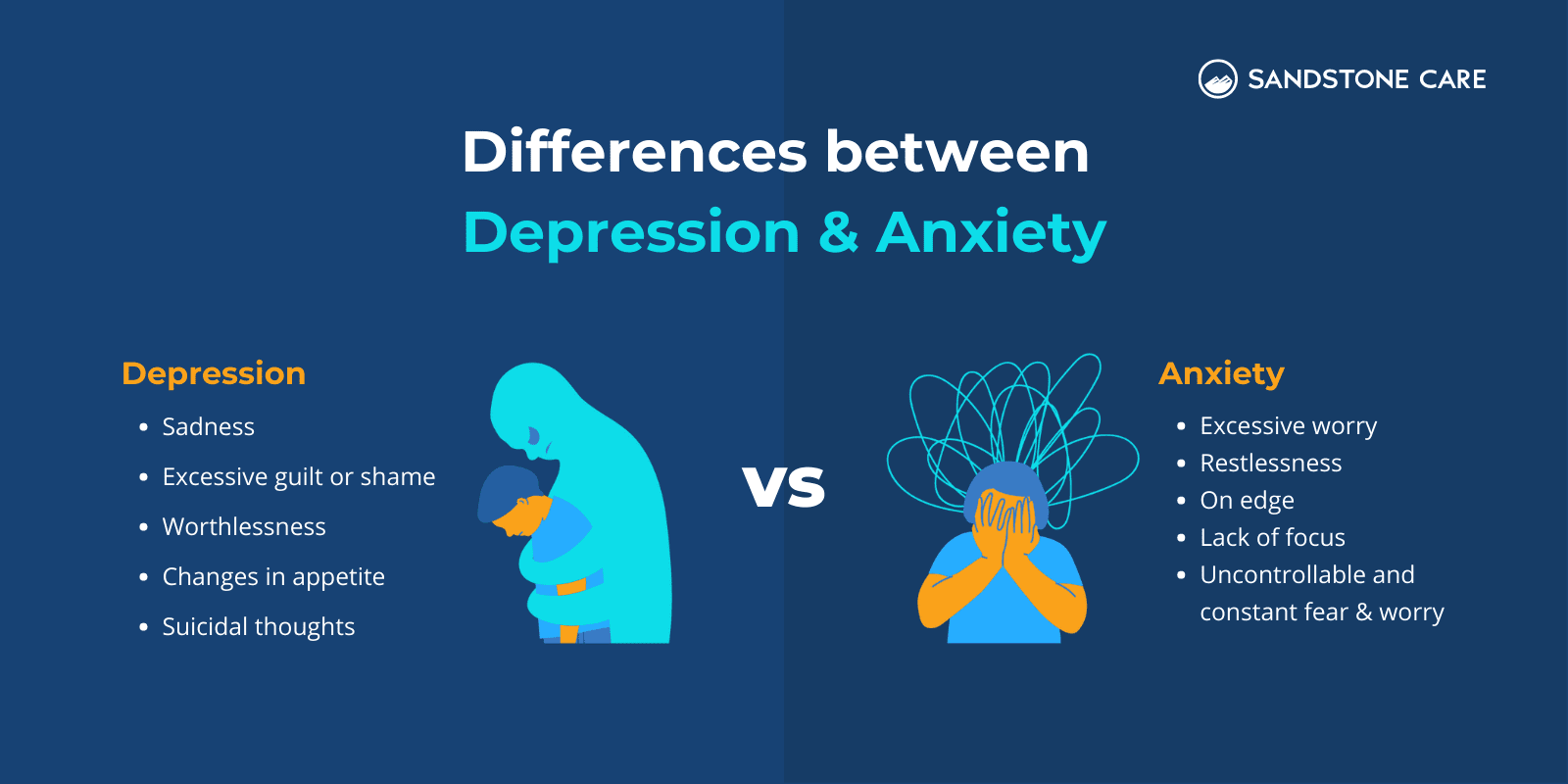
Signs of one or the various other might bleed into whichever disorder you have, since both share comparable reasons, problems, etc. The most effective means to understand the difference between the two problems is with the key signs, starting with the psychological symptoms. Anxiousness: Uneasiness over what will take place and what could happen in the future.
The Reasons Relationship-Focused Care Becomes Essential In the Context of Work Challenges and Burnout
Really feeling like you need to escape or stay clear of things that could trigger more stress and anxiety. Depression: Feeling of despair concerning the future, as though it's hopeless. Listlessness, and an absence of idea that positive points will take place. Little fear, but rather a certainty of future negative emotions. Feasible suicidal thoughts.
Those with clinical depression typically assume a bad future and don't expect anything else or think there's anything worth stopping. Anxiety can happen after somebody experiences stress and anxiety, since somebody that deals with severe stress and anxiety might finish up really feeling drained and hopeless once their anxiety or anxiousness assault mores than. That's why the 2 problems can be challenging to differentiate.
Physical signs and symptoms can be very different. Though once again, there are similarities. Both stress and anxiety and depression can leave you really feeling drained pipes and tired out. In the case of stress and anxiety, it tends to take place after extreme stress and anxiety, while with anxiety it tends to be a lot more continuous, without always any type of triggers.
Physical signs that look like health conditions, specifically if accompanied with wellness concerns. Depression: Severe absence of energy or drive. Anxiety actually often tends to have fewer physical signs, yet the psychological symptoms can be so harmful (specifically the possibility for self-destructive thoughts) and the lack of power so articulated that many individuals with clinical depression bargain with extreme battles daily that absolutely rival the signs of stress and anxiety.

Latest Posts
How Mental Health Treatment Complements Self-Help in Falls Church, VA Treatment
Why Masking Results in Deep Fatigue
How Start Insight-Oriented Therapy Over Other Approaches